


News Center
Focus on new trends in enterprise development and record every step forward.
Filtration Principles and Main Types of Cellulose Acetate Cigarette Filters
The Cellulose Acetate Cigarette Filter is the most prevalent type of filter found in cigarettes worldwide. Its core material is cellulose acetate (CA), which is produced through the acetylation of natural wood pulp or cotton fibers.
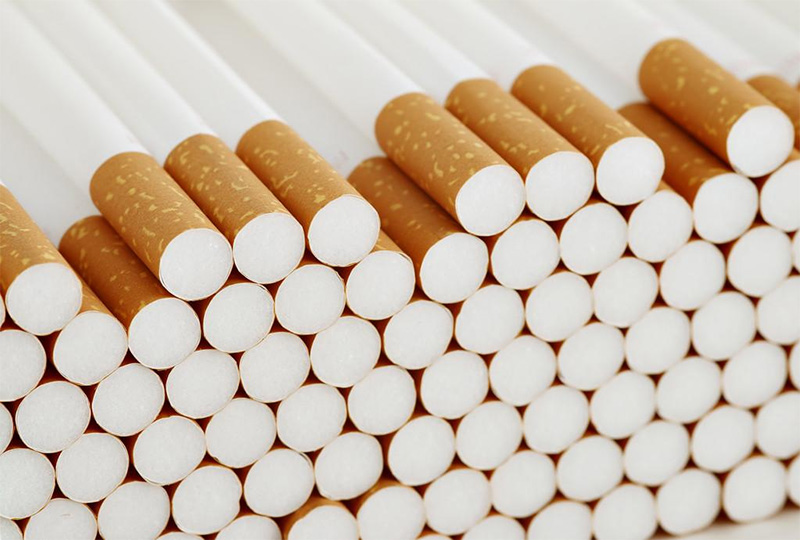
I. Core Functions and Filtration Principles
Physical Filtration Mechanism: Relying on mechanisms such as fiber interception, inertial impaction, and diffusive deposition, the filter efficiently captures tar droplets and suspended particulate matter present in smoke. Simultaneously, it utilizes ventilation holes to dilute the smoke stream, thereby reducing carbon monoxide concentrations. Furthermore, it introduces no extraneous odors, allowing the tobacco's natural aroma to be preserved.
Performance Characteristics
Chemically stable; resistant to high temperatures and deformation; delivers a smooth smoking sensation;
Can be combined with activated carbon (forming a "composite filter") to further adsorb volatile harmful constituents;
Can incorporate flavor capsules to release flavors—such as menthol—on demand.
II. Main Types
Standard Acetate Filters: The most universal type, featuring a uniform structure and compatible with the majority of conventional cigarettes;
Extended / Slim Filters (>30mm): Feature a longer filtration path, resulting in a lighter smoke profile;
Ventilated Filters (with laser perforation): Introduce ambient air to dilute the smoke stream, thereby reducing tar and CO levels;
Composite Filters (e.g., Acetate + Activated Carbon Chambers, Segmented Filters): Enhance the adsorption of various harmful substances;
Flavor Capsule Filters: Feature a built-in, squeezable flavor capsule.
Supplementary Note
The "harm reduction" offered by cellulose acetate filters is relative, relying primarily on physical interception; it cannot fundamentally alter the inherent health risks associated with smoking. Technological advancements in this field continue to focus on three key directions: enhancing filtration precision, optimizing the smoking experience, and minimizing environmental impact.
Latest News
-
What is cellulose acetate material
2026-04-11 -
Filtration Principles and Main Types of Cellulose Acetate Cigarette Filters
2026-04-08 -
Quality Inspection Report on Industrial Diacetate Cellulose White Powder
2026-04-07 -
Physical and Chemical Properties of White Powder of Cellulose Diacetate
2026-04-03 -
Acetate cellulose sheet raw material industrial use Acetate cellulose powder
2026-04-02 -
Which specification of cellulose acetate is better for leather
2026-03-10
Related Information
-
Filtration Principles and Main Types of Cellulose Acetate Cigarette Filters
2026-04-08 -
The role of the washer in the production process of cellulose acetate flakes for cigarette
2026-01-14 -
Technical Requirements for Cellulose Acetate Used in Cigarette Factories
2026-01-08 -
Selection requirements for cellulose in cigarette filter rods
2025-12-26 -
Technical requirements for cellulose acetate tow raw material(cellulose acetate flakes) for cigarette filter rods
2025-12-24 -
Common terms and definitions for cigarette tow
2025-12-20
Message
We won't track your information when you visit our site. But in order to comply with your preferences, we'll have to use just one tiny cookie so that you're not asked to make this choice again.