


News Center
Focus on new trends in enterprise development and record every step forward.
What is cellulose acetate material
Cellulose acetate (CA) is a thermoplastic biobased polymer material obtained by chemical modification of natural cellulose as raw material. It is renewable, easy to process, and has good properties, and has a wide range of applications.
1、 Basic Definition and Source
Essence: Cellulose esters formed by replacing hydroxyl groups (- OH) on cellulose molecules with acetyl groups (- COOH3) belong to semi synthetic polymers.
Raw materials: Natural cellulose such as cotton short fibers and wood pulp, sourced from renewable sources.
CAS number: 9004-35-7.
2、 Core classification (by degree of acetylation/degree of substitution)
The performance is determined by the degree of substitution (DS) and is mainly divided into three categories:
Cellulose Acetate (CMA) 1.7~1.95
Cellulose Diacetate (CDA) 2.2~2.76
Cellulose triacetate (CTA) 2.76-3.0
3、 Key physical and chemical properties
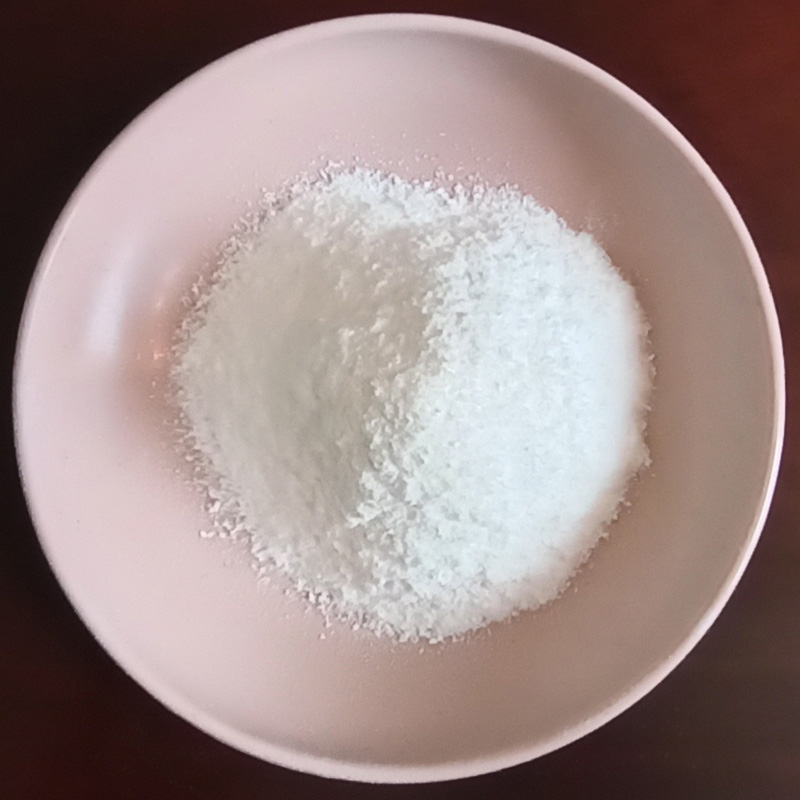
Appearance: White/transparent, odorless, tasteless, non-toxic granular, powder or fibrous solid.
Density: Approximately 1.3 g/cm ³.
Melting point: 230~300 ℃, good thermoplasticity and melt flowability.
Solubility: Diacetic acid is soluble in acetone; Triacetic acid is only soluble in dichloromethane, chloroform, etc., and insoluble in acetone.
Other: tough, transparent, glossy, mold resistant, easy to dye, biodegradable.
4、 Mainstream application areas
Tobacco industry (maximum application): Diacetate fiber is used to make tobacco filter rods, which adsorb tar and improve taste.
Optics and Electronics: Cellulose triacetate (TAC) is the core protective film for LCD polarizers; Used for movies/photographic films.
Textile and clothing: Acetate fiber (acetate fiber), feels like real silk, breathable, easy to care for, used for high-end fabrics and linings.
Daily use and engineering plastics: eyeglass frames, tool handles, pen holders, toys, automotive interior parts, etc.
Membrane separation: seawater desalination, water purification, dialysis, drug controlled release membrane, etc.
Medicine: drug sustained-release coating, transdermal drug delivery carrier.
Other: Coatings, inks, adhesives, packaging materials, etc.
5、 Production and Environmental Protection
Process: Cellulose+acetic acid/acetic anhydride → esterification → hydrolysis → precipitation → washing → drying, adjusting the degree of substitution to obtain different products.
Environmental Protection: The raw materials are renewable and the products are biodegradable, belonging to the category of green materials.
Latest News
-
What is cellulose acetate material
2026-04-11 -
Filtration Principles and Main Types of Cellulose Acetate Cigarette Filters
2026-04-08 -
Quality Inspection Report on Industrial Diacetate Cellulose White Powder
2026-04-07 -
Physical and Chemical Properties of White Powder of Cellulose Diacetate
2026-04-03 -
Acetate cellulose sheet raw material industrial use Acetate cellulose powder
2026-04-02 -
Which specification of cellulose acetate is better for leather
2026-03-10
Related Information
-
What is cellulose acetate material
2026-04-11 -
Filtration Principles and Main Types of Cellulose Acetate Cigarette Filters
2026-04-08 -
Quality Inspection Report on Industrial Diacetate Cellulose White Powder
2026-04-07 -
Physical and Chemical Properties of White Powder of Cellulose Diacetate
2026-04-03 -
Acetate cellulose sheet raw material industrial use Acetate cellulose powder
2026-04-02 -
Application of cellulose acetate sheet in the eyewear industry
2026-04-01
Message
We won't track your information when you visit our site. But in order to comply with your preferences, we'll have to use just one tiny cookie so that you're not asked to make this choice again.