


News Center
Focus on new trends in enterprise development and record every step forward.
Which specification of cellulose acetate is better for leather
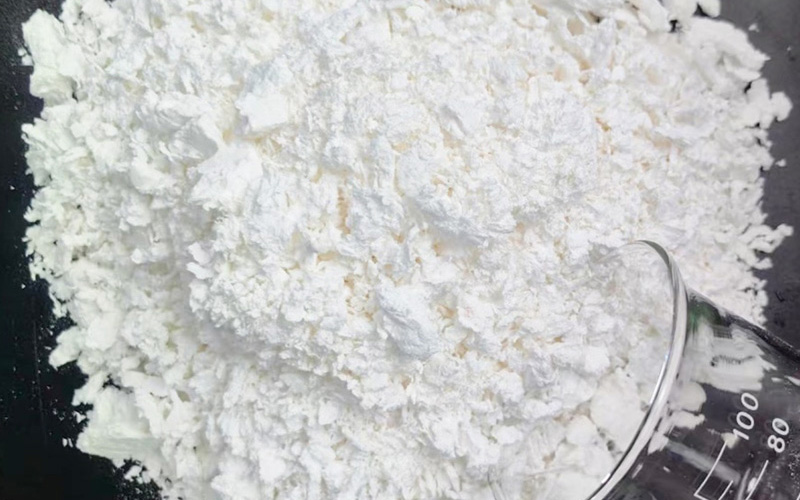
Leather coating/using cellulose acetate (CA) for leather, priority should be given to selecting specifications with a degree of 2.2-2.5, moderate viscosity, and powder/flake; The following are selection and model recommendations.
1、 Core specification index (cellulose acetate CA)
Substitution degree (DS): 2.2-2.5 (binding acid is about 54% -56%), with the best balance of solubility, film-forming ability, and flexibility.
Viscosity:
Low viscosity (0.1-0.5): fast drying, good leveling, suitable for thin coating/top layer brightener.
Medium viscosity (0.5-2.0): Leather is most commonly used, balancing toughness, hardness, and adhesion.
High viscosity (>2.0): Thick coating, high hardness, wear-resistant, suitable for bottom/middle layers.
Form: Powder/floc (easily soluble and dispersible).
Solvent: Preferred acetone/ethyl acetate system (commonly used solvent for cellulose acetate).
2、 Selection and usage points
Solvent matching: Acetone/Ethyl acetate for cellulose acetate/CA; CAB can use mixed solvents of esters, ketones, and aromatic hydrocarbons.
Viscosity selection: thin coating/top layer with low viscosity; Select high adhesion for thick coating/bottom layer.
Compatibility: CAB has better compatibility with PU and acrylic resin than pure CA; when CA is mixed with PU, the PU ratio is recommended to be less than 40% to avoid cracking.
Plasticizer: Pure CA requires the addition of plasticizers (such as phthalates); CAB-500-5 can be added less or not.
Latest News
-
What is cellulose acetate material
2026-04-11 -
Filtration Principles and Main Types of Cellulose Acetate Cigarette Filters
2026-04-08 -
Quality Inspection Report on Industrial Diacetate Cellulose White Powder
2026-04-07 -
Physical and Chemical Properties of White Powder of Cellulose Diacetate
2026-04-03 -
Acetate cellulose sheet raw material industrial use Acetate cellulose powder
2026-04-02 -
Which specification of cellulose acetate is better for leather
2026-03-10
Related Information
-
What is cellulose acetate material
2026-04-11 -
Filtration Principles and Main Types of Cellulose Acetate Cigarette Filters
2026-04-08 -
Quality Inspection Report on Industrial Diacetate Cellulose White Powder
2026-04-07 -
Physical and Chemical Properties of White Powder of Cellulose Diacetate
2026-04-03 -
Acetate cellulose sheet raw material industrial use Acetate cellulose powder
2026-04-02 -
Application of cellulose acetate sheet in the eyewear industry
2026-04-01
Message
We won't track your information when you visit our site. But in order to comply with your preferences, we'll have to use just one tiny cookie so that you're not asked to make this choice again.