


News Center
Focus on new trends in enterprise development and record every step forward.
Physical and Chemical Properties of White Powder of Cellulose Diacetate
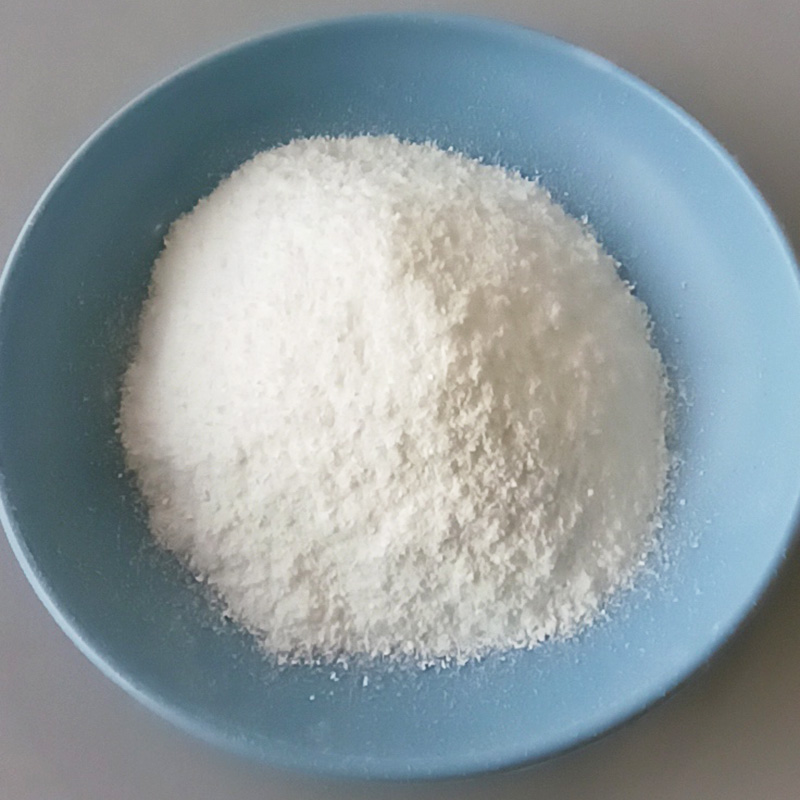
The standard physical and chemical properties of industrial grade cellulose acetate (2-CA) white powder are practical and can be directly used in technical parameter tables SDS、 Procurement specifications and production processes.
1、 Basic Information
Chinese name: Cellulose Diacetate
English name: Cellulose Diacetate, CDA
CAS number: 9004-35-7
Appearance: White or slightly yellow free flowing powder
Odor: Odorless
Flammability: Flammable, non self igniting
Biodegradability: Biodegradable, environmentally friendly
2、 Key chemical indicators
1. Substitution degree DS
2.20-2.50 (commonly used for board grade 2.40-2.50)
2. Combined with acetic acid content
54.0%~56.5%
3. Free acidity (calculated as acetic acid)
≤0.05%~0.10%
4. Moisture
≤2.0%~3.0%
5. Ash content
≤0.1%~0.2%
6. Iron content
≤ 3-5 ppm (lower requirement for transparent boards)
3、 Physical properties
1. Particle size
Commonly used: 100-250 μ m
Mesh size: approximately 60-150 mesh
2. Bulk density
0.30~0.55 g/cm³
3. True density
1.30~1.32 g/cm³
4. Melting point/softening point
No obvious melting point
Thermal softening: 160-180 ℃
5. Thermal decomposition temperature
About 230-300 ℃
6. Glass transition temperature Tg
About 180 ℃ (unplasticized)
4、 Solubility
Easy to dissolve: acetone, ethyl acetate, dichloromethane, chloroform, nitroethane
Partial dissolution: ethanol, methanol (often requiring mixed solvents)
Insoluble: water, fatty hydrocarbons, cyclohexane, ether
The solution is generally colorless, transparent, and highly viscous.
5、 Mechanical and processing related
Tensile strength: High viscosity powder can reach 40-70 MPa after molding
Resilience: Excellent, not easily brittle or cracked
Moisture absorption: moderate, with slight changes in size after moisture absorption
Weather resistance: Generally, UV resistant agent needs to be added
Oil resistance: good
Acid and alkali resistance: resistant to weak acids and bases; Not resistant to strong acids and alkalis
6、 Security brief
Skin/Eye Irritation: Low
Inhalation of dust: Long term inhalation in large quantities may irritate the respiratory tract
Belonging to ordinary chemicals, non hazardous chemicals.
Latest News
-
What is cellulose acetate material
2026-04-11 -
Filtration Principles and Main Types of Cellulose Acetate Cigarette Filters
2026-04-08 -
Quality Inspection Report on Industrial Diacetate Cellulose White Powder
2026-04-07 -
Physical and Chemical Properties of White Powder of Cellulose Diacetate
2026-04-03 -
Acetate cellulose sheet raw material industrial use Acetate cellulose powder
2026-04-02 -
Which specification of cellulose acetate is better for leather
2026-03-10
Related Information
-
What is cellulose acetate material
2026-04-11 -
Filtration Principles and Main Types of Cellulose Acetate Cigarette Filters
2026-04-08 -
Quality Inspection Report on Industrial Diacetate Cellulose White Powder
2026-04-07 -
Physical and Chemical Properties of White Powder of Cellulose Diacetate
2026-04-03 -
Acetate cellulose sheet raw material industrial use Acetate cellulose powder
2026-04-02 -
Application of cellulose acetate sheet in the eyewear industry
2026-04-01
Message
We won't track your information when you visit our site. But in order to comply with your preferences, we'll have to use just one tiny cookie so that you're not asked to make this choice again.