


News Center
Focus on new trends in enterprise development and record every step forward.
What are the raw materials for acetate tow
Acetate tow (also known as cellulose acetate tow) is an important chemical material mainly used in the manufacture of cigarette filters, textiles, plastic products, etc. Its raw materials mainly include the following categories:
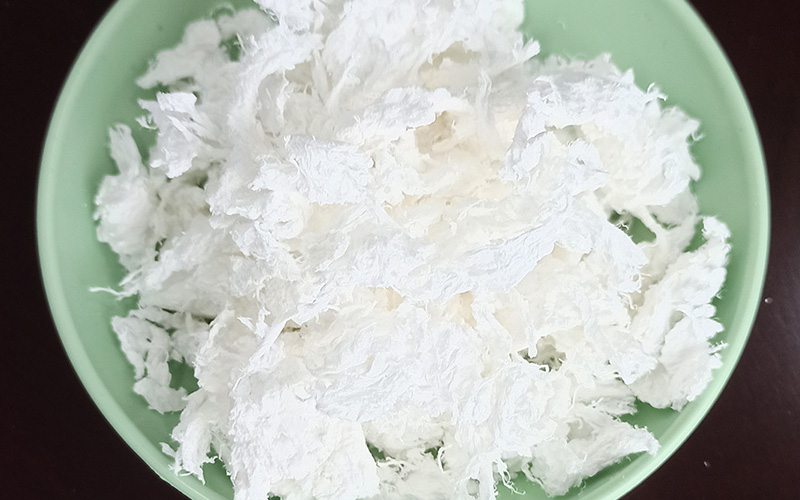
1. Main raw materials
cellulose
Usually derived from wood pulp (such as cotton short fibers, wood pulp), it is the basic raw material for acetate tow. After chemical treatment, cellulose reacts with acetic anhydride to produce cellulose acetate.
Acetic anhydride
Used for acetylation reaction, converting hydroxyl groups in cellulose into acetyl groups to form cellulose acetate.
glacial acetic acid
As a reaction medium and solvent, participate in the acetylation process.
Sulfuric acid or other catalysts
Used for catalyzing acetylation reactions.
2. Auxiliary materials and additives
plasticizer
Such as triacetin glycerol ester, used to enhance the flexibility and plasticity of fiber bundles.
solvent
Acetone or other organic solvents are used to dissolve cellulose acetate and facilitate spinning.
stabilizer
Prevent the degradation of cellulose acetate during processing.
Extinguishing agent (such as titanium dioxide)
Used to adjust the glossiness of the fiber bundle.
3. Key points of production process
Pre treatment: Drying and activating cellulose.
Acetylation: Cellulose reacts with acetic anhydride under the action of a catalyst to produce cellulose triacetate.
Hydrolysis: Partial acetyl hydrolysis to obtain cellulose acetate with the desired degree of acetylation.
Precipitation and washing: Separate the product, remove residual acid and catalyst.
Spinning: Dissolve cellulose acetate in acetone, extrude it through a spinneret, and solidify it with hot air to form a fiber bundle.
4. Application Fields
Cigarette filter (main use, accounting for more than 80%)
Textiles (such as acetate satin, lining fabric, etc.)
Plastic products such as films, eyeglass frames, toys, etc
Latest News
-
What is cellulose acetate material
2026-04-11 -
Filtration Principles and Main Types of Cellulose Acetate Cigarette Filters
2026-04-08 -
Quality Inspection Report on Industrial Diacetate Cellulose White Powder
2026-04-07 -
Physical and Chemical Properties of White Powder of Cellulose Diacetate
2026-04-03 -
Acetate cellulose sheet raw material industrial use Acetate cellulose powder
2026-04-02 -
Which specification of cellulose acetate is better for leather
2026-03-10
Related Information
-
What is cellulose acetate material
2026-04-11 -
Filtration Principles and Main Types of Cellulose Acetate Cigarette Filters
2026-04-08 -
Quality Inspection Report on Industrial Diacetate Cellulose White Powder
2026-04-07 -
Physical and Chemical Properties of White Powder of Cellulose Diacetate
2026-04-03 -
Acetate cellulose sheet raw material industrial use Acetate cellulose powder
2026-04-02 -
Application of cellulose acetate sheet in the eyewear industry
2026-04-01
Message
We won't track your information when you visit our site. But in order to comply with your preferences, we'll have to use just one tiny cookie so that you're not asked to make this choice again.