


News Center
Focus on new trends in enterprise development and record every step forward.
What is diacetate flake?
The full name of diacetate flake is cellulose acetate flake, which is an important segmented product of cellulose acetate and also the core raw material for materials such as cigarette acetate flakes and acetate film.
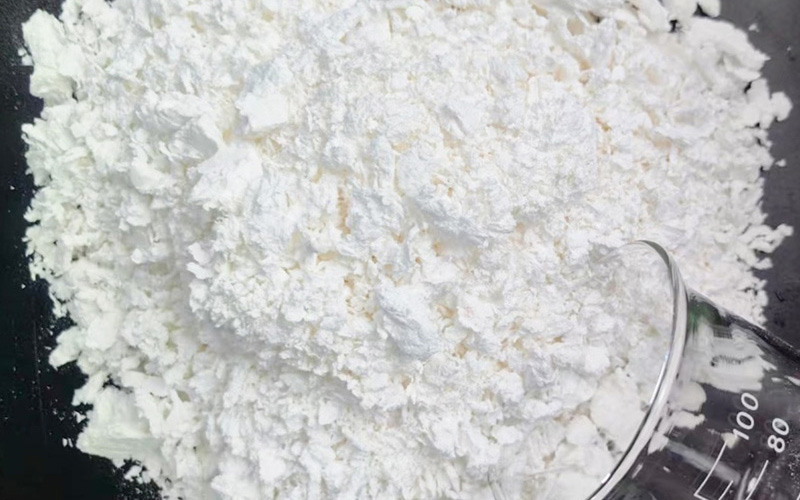
Core characteristic 1. Chemical nature:
It is a derivative produced by the esterification reaction between cellulose and acetic anhydride, with a moderate degree of esterification (typically around 2.4~2.5), falling between cellulose acetate (low degree of esterification) and cellulose triacetate (high degree of esterification, degree of esterification ≈3.0).
2. With good spinnability in terms of physical properties, it is the preferred raw material for producing cigarette flakes. The flakes produced from it has uniform pores, which can effectively filter tar and harmful substances in cigarettes.
It boasts high transparency, excellent mechanical strength, and also possesses superior oil resistance and flame resistance, while being easy to process and mold.
It has good biocompatibility and can be used as medical materials in some fields.
Main application areas
1. Tobacco industry (core application) This is the largest downstream market for diacetate chips, typically accounting for over 70% of the market. Diacetate chips undergo processes such as dissolution and spinning to produce tobacco-grade acetate flakes, which is then further processed into cigarette filters. This application has extremely high requirements for the purity and esterification stability of diacetate chips.
2. Thin film materials for non-cigarette applications: used for making optical films, insulating films, food packaging films, etc.
Textile fiber: Produce acetate fiber yarn for high-end apparel fabrics, combining the breathability of cotton with the luster of silk.
Other products: It can be processed into daily necessities such as plastic sheets, eyeglass frames, and toothbrush handles. It can also be used as the base material for lithium-ion battery separators.
Key points of production process
The raw materials are mainly refined cotton short fibers or wood pulp, which are made through steps such as alkalization, aging, esterification, hydrolysis, sedimentation, washing, and drying..
The hydrolysis step is the core of controlling the degree of esterification: cellulose triacetate undergoes partial hydrolysis, removing some acetyl groups, to convert it into cellulose diacetate, which is then granulated to obtain the finished product, cellulose diacetate flakes.
The market demand for diacetate flakes is highly tied to the tobacco industry, while the demand in non-tobacco fields (such as lithium battery separators and optical films) is gradually increasing. Major global producers include Celanese, Toray, Mitsubishi Chemical, as well as domestic companies such as Nantong Acetate Fiber, Kunming Acetate Fiber, and Ruiyang New Materials.
Latest News
-
What is cellulose acetate material
2026-04-11 -
Filtration Principles and Main Types of Cellulose Acetate Cigarette Filters
2026-04-08 -
Quality Inspection Report on Industrial Diacetate Cellulose White Powder
2026-04-07 -
Physical and Chemical Properties of White Powder of Cellulose Diacetate
2026-04-03 -
Acetate cellulose sheet raw material industrial use Acetate cellulose powder
2026-04-02 -
Which specification of cellulose acetate is better for leather
2026-03-10
Related Information
-
Quality Inspection Report on Industrial Diacetate Cellulose White Powder
2026-04-07 -
Physical and Chemical Properties of White Powder of Cellulose Diacetate
2026-04-03 -
What is diacetate flake?
2026-01-26 -
The difference in application between cellulose diacetate and cellulose triacetate
2026-01-20 -
Main manufacturers and production capacity of cellulose acetate flakes in China
2026-01-10 -
Technical Requirements for Cellulose Acetate Used in Cigarette Factories
2026-01-08
Message
We won't track your information when you visit our site. But in order to comply with your preferences, we'll have to use just one tiny cookie so that you're not asked to make this choice again.