


News Center
Focus on new trends in enterprise development and record every step forward.
The difference in application between cellulose diacetate and cellulose triacetate
Although both cellulose diacetate (CDA, commonly referred to as "cellulose acetate") and cellulose triacetate (CTA) are derived from natural cellulose, their application fields differ significantly due to the varying degrees of acetylation (substitution degree).
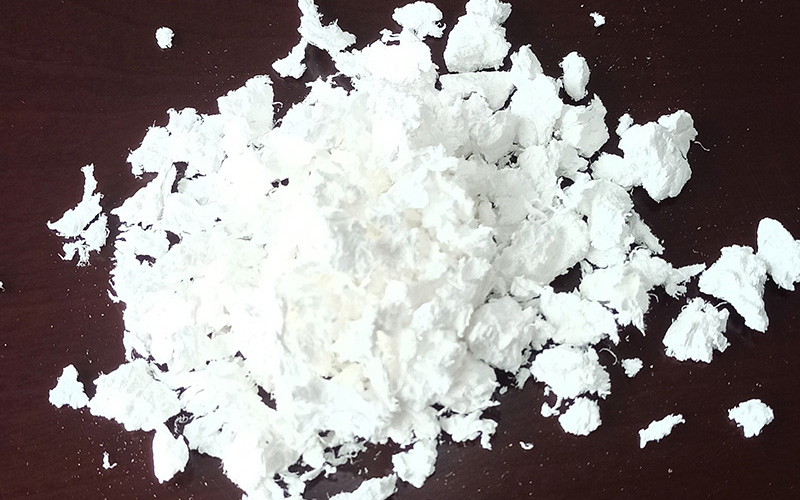
Typical applications of cellulose diacetate (CDA)
Due to its lower cost and ability to dissolve in common acetone solvents, CDA exhibits stronger processing adaptability and is widely used in daily consumer products:
Cigarette Filter (Tow): This is the largest application of CDA globally. Its unique physical structure effectively filters tar, and it also boasts a good taste and degradability.
Textile lining: It is commonly used to make the lining of high-end clothing and pajamas. It feels close to silk, has good breathability, and is anti-static.
Injection molded plastic products: used for manufacturing eyeglass frames (plastic frames), toothbrush handles, combs, and other tools. It has good transparency and a comfortable feel when in contact with the human body.
Pharmaceutical packaging: serving as enteric coating materials or semipermeable membranes for drugs.
Typical applications of cellulose triacetate (CTA)
CTA possesses superior physical stability, heat resistance, and optical properties, making it widely used in industrial fields with stringent technical requirements:
LCD Polarizer Protective Film: This is currently the core application of CTA. Due to its excellent optical transparency, low birefringence, and dimensional stability, it is used as a support and protective layer (TAC film) for the internal polarizer of LCD screens.
Photographic and film base: It is the traditional substrate for motion picture negatives and X-ray films, superior to diacetate due to its excellent transparency and thermal stability (less prone to shrinkage and embrittlement).
Reverse osmosis and separation membranes: In water treatment and gas separation (such as carbon dioxide removal), CTA membranes are commonly used to manufacture high-efficiency filtration membranes due to their chlorine resistance and pressure resistance.
High-grade wrinkle-resistant fabric: In the textile industry, CTA fibers are more resistant to high temperatures than CDA fibers, allowing for heat setting, making them suitable for the manufacture of garments that require durable pleats, such as pleated skirts.
Latest News
-
What is cellulose acetate material
2026-04-11 -
Filtration Principles and Main Types of Cellulose Acetate Cigarette Filters
2026-04-08 -
Quality Inspection Report on Industrial Diacetate Cellulose White Powder
2026-04-07 -
Physical and Chemical Properties of White Powder of Cellulose Diacetate
2026-04-03 -
Acetate cellulose sheet raw material industrial use Acetate cellulose powder
2026-04-02 -
Which specification of cellulose acetate is better for leather
2026-03-10
Related Information
-
What is cellulose acetate material
2026-04-11 -
Filtration Principles and Main Types of Cellulose Acetate Cigarette Filters
2026-04-08 -
Quality Inspection Report on Industrial Diacetate Cellulose White Powder
2026-04-07 -
Physical and Chemical Properties of White Powder of Cellulose Diacetate
2026-04-03 -
Acetate cellulose sheet raw material industrial use Acetate cellulose powder
2026-04-02 -
Application of cellulose acetate sheet in the eyewear industry
2026-04-01
Message
We won't track your information when you visit our site. But in order to comply with your preferences, we'll have to use just one tiny cookie so that you're not asked to make this choice again.