


News Center
Focus on new trends in enterprise development and record every step forward.
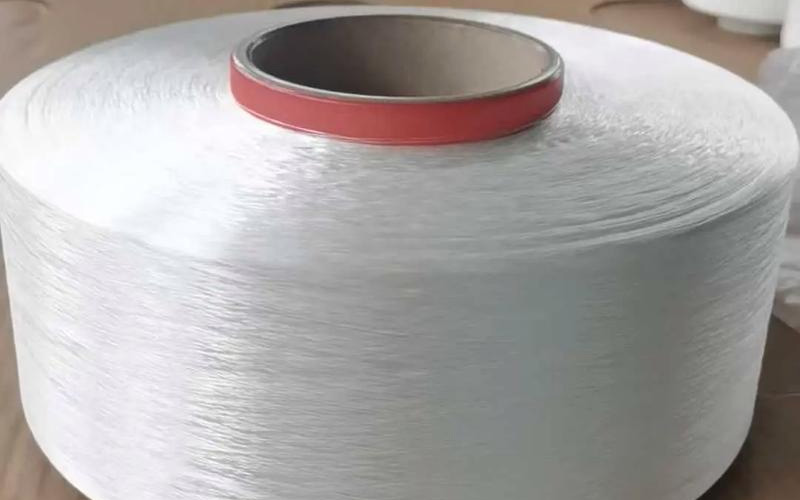
The Effect of Diacetate Cellulose Tablets on Acetate Fiber Yarn
Cellulose Acetate Flake is one of the core raw materials for producing Cellulose Acetate Yarn, and its quality and performance directly affect the properties of the finished yarn.
1、 The Influence of Chemical Purity and Vinegar Degree
Acetyl Content:
The acetylation degree of cellulose acetate flakes is usually between 54-56% (based on acetate groups).
If the degree of acetylation is low → the degree of polymerization decreases, the fiber strength is insufficient, and the yarn toughness is poor.
If the degree of vinegar is too high and the solubility decreases, the spinning solution will be unstable and it is easy to block the spinning plate.
Impurities and ash content:
High levels of impurities or metal ions can cause discoloration, degradation, or deposition at the spinning solution nozzle, affecting the uniformity and appearance of the yarn.
2、 The influence of degree of polymerization (DP) on yarn properties
It is ideal to control the polymerization degree between 250-300 (spinning grade).
High degree of polymerization → high viscosity of spinning solution, high yarn strength but decreased spinnability.
Low degree of polymerization → The spinning solution is easy to flow, but the yarn strength is poor and the elongation at break is low.
Therefore, the consistency of the polymerization degree of the raw material directly determines the mechanical properties and production stability of the yarn.
3、 Moisture and thermal stability
Moisture content: Excessive moisture content can affect the dissolution rate and cause fluctuations in the spinning solution ratio; If it is too low, it is prone to static electricity and brittle fracture.
The optimal moisture content is usually controlled between 2.5-4.5%.
Thermal stability: Thermal degradation produces acidic substances, which darken the color of the spinning solution and cause the yarn to turn yellow.
4、 Appearance and solubility effects
The sheet has high transparency, uniform particles, good solubility, and high clarity of the spinning solution.
If there is unacetated cellulose residue or gel in the sheet → it will cause problems such as spinneret and broken ends, which will affect the yarn finish and feel.
5、 The influence of additive residue on yarn characteristics
Some industrial grade cellulose acetate sheets may contain small amounts of plasticizers, stabilizers, or catalytic residues during production, which can affect the yarn's:
Dyeing performance (color difference, dye uptake)
Gloss and Transparency
Heat resistance and moisture absorption of yarn
Latest News
-
What is cellulose acetate material
2026-04-11 -
Filtration Principles and Main Types of Cellulose Acetate Cigarette Filters
2026-04-08 -
Quality Inspection Report on Industrial Diacetate Cellulose White Powder
2026-04-07 -
Physical and Chemical Properties of White Powder of Cellulose Diacetate
2026-04-03 -
Acetate cellulose sheet raw material industrial use Acetate cellulose powder
2026-04-02 -
Which specification of cellulose acetate is better for leather
2026-03-10
Related Information
-
What is cellulose acetate material
2026-04-11 -
Filtration Principles and Main Types of Cellulose Acetate Cigarette Filters
2026-04-08 -
Quality Inspection Report on Industrial Diacetate Cellulose White Powder
2026-04-07 -
Physical and Chemical Properties of White Powder of Cellulose Diacetate
2026-04-03 -
Acetate cellulose sheet raw material industrial use Acetate cellulose powder
2026-04-02 -
Application of cellulose acetate sheet in the eyewear industry
2026-04-01
Message
We won't track your information when you visit our site. But in order to comply with your preferences, we'll have to use just one tiny cookie so that you're not asked to make this choice again.