


News Center
Focus on new trends in enterprise development and record every step forward.
The role of acetator in the process of cellulose acetate flakes
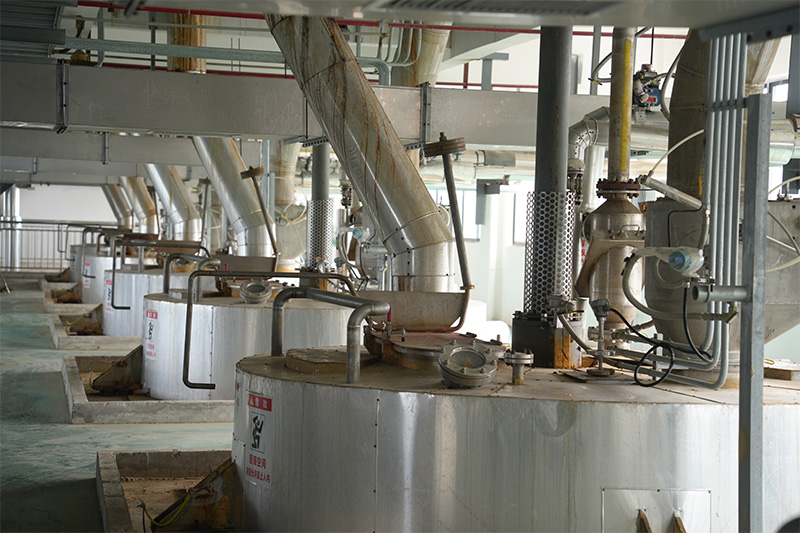
In the preparation process of cellulose acetate flakes (diacetate flakes), the acetator is the core reaction equipment. Its function is to achieve directional esterification of hydroxyl groups in cellulose molecules by precisely controlling the acetylation reaction conditions, providing satisfactory cellulose acetate intermediates for subsequent processes.
1. The core site of acetylation reaction
The production of vinegar tablets is based on natural wood pulp (cellulose) as raw material, and the hydroxyl (- OH) group in cellulose molecules needs to be esterified into acetate groups (- OCOCOCH3) through acetylation reaction. The acetic acid reactor, as a closed reaction vessel, provides a stable reaction environment for this process:
Raw material mixing: After the wood pulp is crushed and pretreated with acetic acid, it is thoroughly mixed with mixed acid (a mixture of acetic acid and acetic anhydride) and catalyst (such as magnesium acetate solution) in an acetator.
Reaction control: Ensure uniform contact of materials through a stirring system (such as a stirring shaft with a scraper), and accurately control the reaction temperature (usually within the range of 30-50 ℃) through a jacket cooling or heating system to avoid local overheating and side reactions.
Reaction endpoint determination: The reaction continues until the esterification degree of hydroxyl groups in cellulose molecules reaches 2.22-2.76 (typical range of cellulose diacetate), at which point the material is converted into acetylated products, laying the foundation for subsequent hydrolysis reactions.
2. Key links that affect product quality
The design and operating parameters of the vinegar processor directly affect the performance of vinegar tablets:
Esterification uniformity: Insufficient stirring or uneven temperature distribution may result in local esterification degree being too high or too low, affecting the molecular weight distribution and solubility of the final product. For example, insufficient esterification degree may lead to poor solubility of diacetic acid tablets in solvents, affecting the spinning process; Excessive esterification may reduce the flexibility of the product.
Side reaction inhibition: By precisely controlling the reaction conditions (such as temperature, catalyst dosage), the acetator can reduce the generation of by-products (such as cellulose triacetate or unreacted acetic anhydride), improve raw material utilization and product purity.
Reaction efficiency: Optimizing the structure of the vinegar reactor (such as the shape of the stirring blade and the design of the cooling jacket) can shorten the reaction time and improve production efficiency. For example, a mixing shaft with a scraper can prevent material from adhering to the wall of the reactor, ensuring thorough reaction.
3. Connection with subsequent processes
The vinegar material produced by the vinegar generator needs further processing:
Hydrolysis reaction: The acetylated material enters the hydrolysis kettle, and some ester groups are hydrolyzed by controlling the hydrolysis conditions (such as temperature and time), adjusting the esterification degree of the final product to the target range (2.22-2.76).
Post treatment: The hydrolyzed material undergoes sedimentation, washing, drying, and other steps to finally obtain cellulose acetate flakes. The reaction quality of the vinegar reactor directly affects the difficulty of post-treatment and product yield. For example, if the impurity content in the acetylated material is high, it may lead to an increase in solid impurities during the sedimentation process, increasing the burden on wastewater treatment.
Latest News
-
What is cellulose acetate material
2026-04-11 -
Filtration Principles and Main Types of Cellulose Acetate Cigarette Filters
2026-04-08 -
Quality Inspection Report on Industrial Diacetate Cellulose White Powder
2026-04-07 -
Physical and Chemical Properties of White Powder of Cellulose Diacetate
2026-04-03 -
Acetate cellulose sheet raw material industrial use Acetate cellulose powder
2026-04-02 -
Which specification of cellulose acetate is better for leather
2026-03-10
Related Information
-
What is cellulose acetate material
2026-04-11 -
Filtration Principles and Main Types of Cellulose Acetate Cigarette Filters
2026-04-08 -
Quality Inspection Report on Industrial Diacetate Cellulose White Powder
2026-04-07 -
Physical and Chemical Properties of White Powder of Cellulose Diacetate
2026-04-03 -
Acetate cellulose sheet raw material industrial use Acetate cellulose powder
2026-04-02 -
Application of cellulose acetate sheet in the eyewear industry
2026-04-01
Message
We won't track your information when you visit our site. But in order to comply with your preferences, we'll have to use just one tiny cookie so that you're not asked to make this choice again.