


News Center
Focus on new trends in enterprise development and record every step forward.
Terminology and definitions of indicators for industrial cellulose diacetate flakes
Industrial cellulose diacetate flakes are a modified regenerated cellulose material made from natural cellulose (such as high-purity wood pulp or cotton pulp) through acetylation reaction. Their acetyl content is usually between 53% and 56%, and their molecular weight ranges from 80000 to 160000.
1. Combined with acidity value, acetylalue
An indicator that characterizes the degree of acetylation of cellulose acetate flakes. Calculated based on the mass fraction of acetyl groups (calculated as acetic acid) replacing cellulose hydroxyl groups.
2. Plugging value
An indicator that characterizes the filtration performance of cellulose acetate flakes slurry. Calculate based on the filtered amount under specified conditions.
3. Free acidity
The indicator for characterizing the free acid of cellulose acetate flakes. Calculated based on the mass fraction of free acid (calculated as acetic acid) in cellulose acetate flakes.
4. Thermal stability
The stability of cellulose acetate flakess to heat. Under the specified high temperature conditions, detect the number of black brown particles on the baked cellulose acetate flakes. If there is no black brown color, it indicates that the thermal stability of the cellulose acetate flakes is qualified.
5. Brightness L
Color brightness of cellulose acetate flakess in a three-dimensional uniform color space measurement system. The higher the brightness value, the whiter the cellulose acetate flakes; If the value is small, it will turn black.
6. Color a
The red green degree of cellulose acetate flakess in a three-dimensional uniform color space color measurement system. A positive value of chromaticity a indicates a reddish tint, while a negative value indicates a greenish tint.
7. Color b
The bluish yellow degree of cellulose acetate flakes in a three-dimensional uniform color space color measurement system. A positive value of chromaticity b indicates a yellowish tint, while a negative value indicates a bluish tint.
8. Appearance
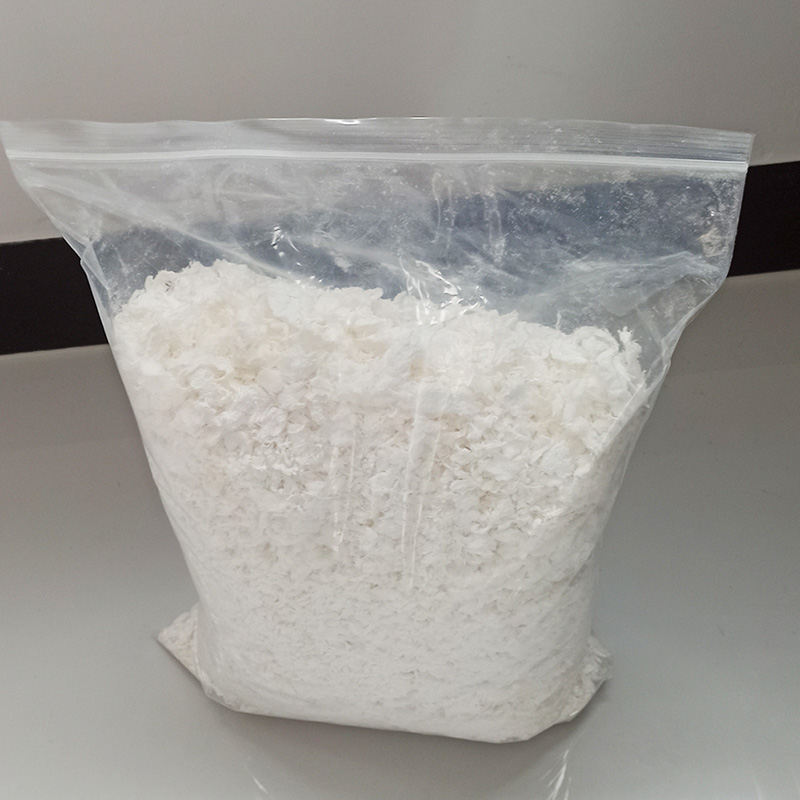
Diacetate cellulose flakes are white powdery or strip-shaped, with no visible mechanical impurities.
9. Classification
Cellulose acetate flakess are divided into two categories based on their applications: spinning and plastic.
Spinning cellulose acetate flakess are used to manufacture yarn bundles for textiles or cigarette filter rods.
Plastic cellulose acetate flakess are used to manufacture plastic products such as mirror frames and filter membranes.
Latest News
-
What is cellulose acetate material
2026-04-11 -
Filtration Principles and Main Types of Cellulose Acetate Cigarette Filters
2026-04-08 -
Quality Inspection Report on Industrial Diacetate Cellulose White Powder
2026-04-07 -
Physical and Chemical Properties of White Powder of Cellulose Diacetate
2026-04-03 -
Acetate cellulose sheet raw material industrial use Acetate cellulose powder
2026-04-02 -
Which specification of cellulose acetate is better for leather
2026-03-10
Related Information
-
What is cellulose acetate material
2026-04-11 -
Filtration Principles and Main Types of Cellulose Acetate Cigarette Filters
2026-04-08 -
Quality Inspection Report on Industrial Diacetate Cellulose White Powder
2026-04-07 -
Physical and Chemical Properties of White Powder of Cellulose Diacetate
2026-04-03 -
Acetate cellulose sheet raw material industrial use Acetate cellulose powder
2026-04-02 -
Application of cellulose acetate sheet in the eyewear industry
2026-04-01
Message
We won't track your information when you visit our site. But in order to comply with your preferences, we'll have to use just one tiny cookie so that you're not asked to make this choice again.