


News Center
Focus on new trends in enterprise development and record every step forward.
Why choose cellulose acetate as the core material for cigarette filters
The core material of cigarette filters is cellulose acetate. More than 95% of commercial cigarette filters use this material. Why choose cellulose acetate as the core raw material?
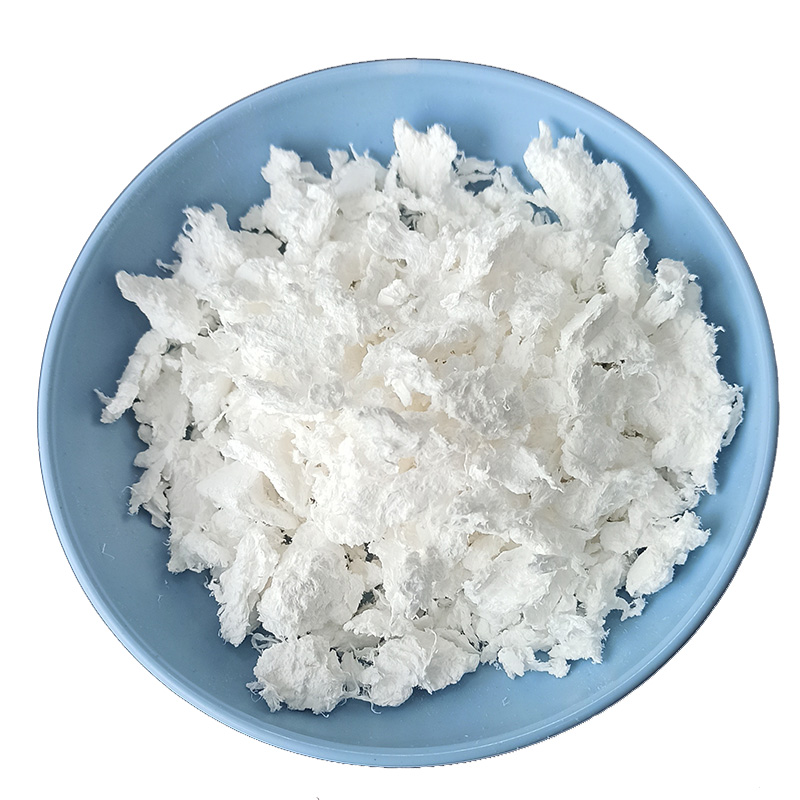
1. Excellent fiber structure
Cellulose acetate can be processed into bundles composed of countless extremely fine fibers.
These fibers form a dense and complex three-dimensional network structure, which can effectively intercept solid and liquid particles in flue gas, mainly tar, through mechanical collision, diffusion, and inertia.
2. Good selective adsorption ability
It has weak adsorption capacity for water vapor, which means it will not excessively affect the "wetness" of the flue gas.
But it has good physical adsorption capacity for organic compounds such as tar and nicotine, which can effectively capture these substances.
3. Non toxic and odorless, high safety
Cellulose acetate itself is non-toxic, odorless, and biologically inert. It is widely used in fields such as eyeglass frames, film, textiles, etc. It is safe to come into contact with the human body.
In the case of insufficient combustion (such as at the end of smoking), it will only carbonize and will not burn violently to produce flames, making it relatively safe.
4. Strong processability
The filtration efficiency can be precisely controlled by adjusting the single filament density of the fiber bundle. The lower the linear density, the finer the fibers, and the stronger the filtering effect, but the suction resistance will also increase accordingly.
Easy to produce on a large scale and at low cost.
Latest News
-
What is cellulose acetate material
2026-04-11 -
Filtration Principles and Main Types of Cellulose Acetate Cigarette Filters
2026-04-08 -
Quality Inspection Report on Industrial Diacetate Cellulose White Powder
2026-04-07 -
Physical and Chemical Properties of White Powder of Cellulose Diacetate
2026-04-03 -
Acetate cellulose sheet raw material industrial use Acetate cellulose powder
2026-04-02 -
Which specification of cellulose acetate is better for leather
2026-03-10
Related Information
-
What is cellulose acetate material
2026-04-11 -
Filtration Principles and Main Types of Cellulose Acetate Cigarette Filters
2026-04-08 -
Quality Inspection Report on Industrial Diacetate Cellulose White Powder
2026-04-07 -
Physical and Chemical Properties of White Powder of Cellulose Diacetate
2026-04-03 -
Acetate cellulose sheet raw material industrial use Acetate cellulose powder
2026-04-02 -
Application of cellulose acetate sheet in the eyewear industry
2026-04-01
Message
We won't track your information when you visit our site. But in order to comply with your preferences, we'll have to use just one tiny cookie so that you're not asked to make this choice again.