


News Center
Focus on new trends in enterprise development and record every step forward.
Definition of cellulose acetate
Cellulose acetate, also known as cellulose acetate ester, is a chemical derivative obtained by acetylating natural cellulose, typically derived from wood pulp or cotton linters.
The core production process is as follows:
Activation and acetylation: The purified cellulose is treated with acetic acid and then reacted with acetic anhydride in the presence of a catalyst (usually sulfuric acid).
Hydrolysis (Maturation): The fully acetylated cellulose triacetate is partially hydrolyzed under controlled conditions to reduce the degree of esterification, resulting in a product with the desired degree of substitution.
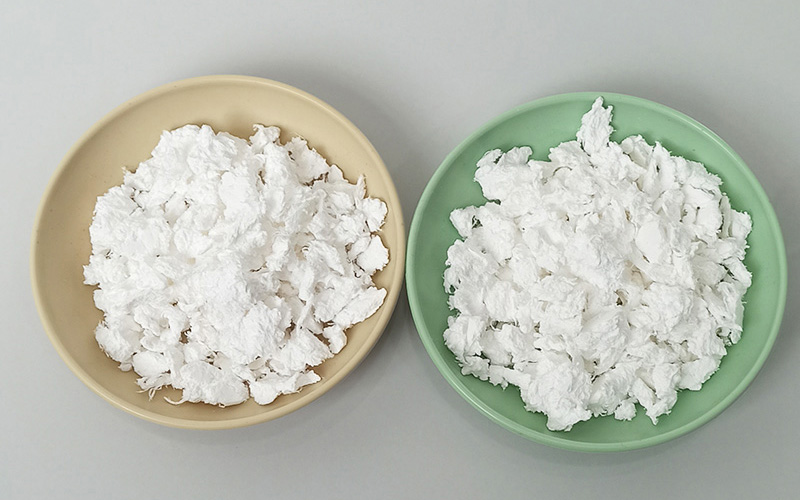
Precipitation and washing: The hydrolyzed product is precipitated in water, then washed and dried to obtain white flaky or powdered cellulose acetate.
Essence: It is a product formed by the substitution of varying numbers of hydroxyl groups (-OH) on the glucose-based rings of cellulose molecules with acetyl groups (-COCH₃). The degree of substitution directly determines its properties and classification of uses.
Latest News
-
What is cellulose acetate material
2026-04-11 -
Filtration Principles and Main Types of Cellulose Acetate Cigarette Filters
2026-04-08 -
Quality Inspection Report on Industrial Diacetate Cellulose White Powder
2026-04-07 -
Physical and Chemical Properties of White Powder of Cellulose Diacetate
2026-04-03 -
Acetate cellulose sheet raw material industrial use Acetate cellulose powder
2026-04-02 -
Which specification of cellulose acetate is better for leather
2026-03-10
Related Information
-
What is cellulose acetate material
2026-04-11 -
Filtration Principles and Main Types of Cellulose Acetate Cigarette Filters
2026-04-08 -
Quality Inspection Report on Industrial Diacetate Cellulose White Powder
2026-04-07 -
Physical and Chemical Properties of White Powder of Cellulose Diacetate
2026-04-03 -
Acetate cellulose sheet raw material industrial use Acetate cellulose powder
2026-04-02 -
Application of cellulose acetate sheet in the eyewear industry
2026-04-01
Message
We won't track your information when you visit our site. But in order to comply with your preferences, we'll have to use just one tiny cookie so that you're not asked to make this choice again.