


News Center
Focus on new trends in enterprise development and record every step forward.
The difference in application between flake-like cellulose acetate and powdered cellulose acetate
The core application differences between flake and powdered cellulose acetate stem from differences in morphology, dissolution/processing characteristics: flake is often used for continuous/large volume forming such as spinning, film formation, injection molding, etc; Powdered materials focus on scenarios such as coatings, inks, pharmaceutical excipients, and fine dispersion.
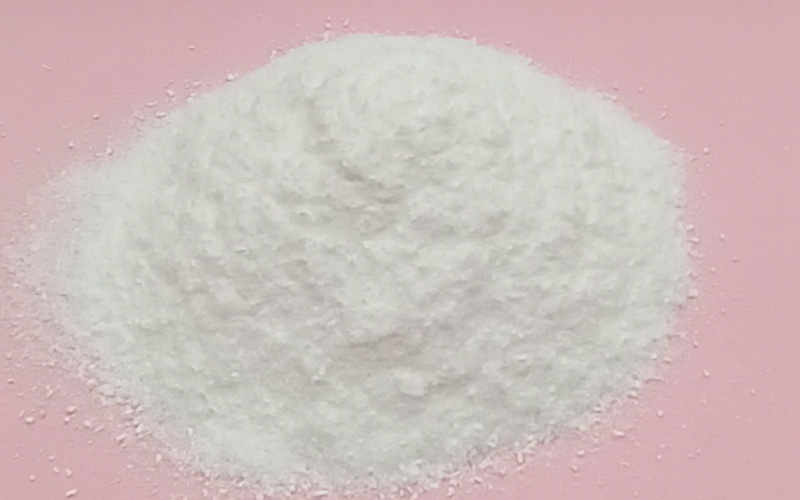
1、 Comparison of Core Form and Processing Characteristics
1. Flake like cellulose acetate
Appearance: White strip-shaped/flocculent
The dissolution rate is slow and requires pre dissolution and long-term stirring
Processing adaptation suitable for melt/solution spinning, extrusion, injection molding, and casting into films
2. Powdered cellulose acetate (Powder)
Appearance: White fine powder with good fluidity
Dissolving speed: fast, easy to disperse, easy to dissolve
Processing adaptation: suitable for solution mixing, fine dispersion, spraying, coating, pharmaceutical preparations
2、 Flake cellulose acetate: mainstream application scenarios
1. Cigarette filter bundle (maximum application)
Spinning grade cellulose acetate sheet is the only raw material used in the production of cigarette acetate fiber bundles. It is made by dissolving, spinning, and curling, and is used for over 90% of cigarette filters.
Advantages: Strong spinnability, large specific surface area, adsorption of harmful substances in flue gas.
2. Textile long/short fibers
Used for high-end clothing fabrics, linings, and home textiles, characterized by soft touch, good drape, and easy dyeing.
3、 Powdered cellulose acetate: mainstream application scenarios
1. Injection molded/extruded products
Glasses frames, tool handles, pen holders, toys, car interior parts, etc. are characterized by high transparency, impact resistance, easy coloring, and good hand feel.
2. Optics and Special Thin Films
Cellulose triacetate film (TAC) is used for LCD polarizer protective film, photographic film, X-ray film base, and insulation film.
Cellulose diacetate tablets are used for packaging membranes, reverse osmosis membranes, and medical filtration membranes.
3. Coatings and inks (core)
Automotive original paint/repair paint: improve leveling, shorten drying, control the orientation of metal pigments, enhance gloss and weather resistance.
Wood/industrial coatings: enhance adhesion, chemical resistance, and prevent plasticizer migration.
Ink: improves printing adaptability, fast drying, and anti adhesion.
Latest News
-
What is cellulose acetate material
2026-04-11 -
Filtration Principles and Main Types of Cellulose Acetate Cigarette Filters
2026-04-08 -
Quality Inspection Report on Industrial Diacetate Cellulose White Powder
2026-04-07 -
Physical and Chemical Properties of White Powder of Cellulose Diacetate
2026-04-03 -
Acetate cellulose sheet raw material industrial use Acetate cellulose powder
2026-04-02 -
Which specification of cellulose acetate is better for leather
2026-03-10
Related Information
-
What is cellulose acetate material
2026-04-11 -
Filtration Principles and Main Types of Cellulose Acetate Cigarette Filters
2026-04-08 -
Quality Inspection Report on Industrial Diacetate Cellulose White Powder
2026-04-07 -
Physical and Chemical Properties of White Powder of Cellulose Diacetate
2026-04-03 -
Acetate cellulose sheet raw material industrial use Acetate cellulose powder
2026-04-02 -
Application of cellulose acetate sheet in the eyewear industry
2026-04-01
Message
We won't track your information when you visit our site. But in order to comply with your preferences, we'll have to use just one tiny cookie so that you're not asked to make this choice again.