


Solution
Collaborative innovation between industry, academia and research, empowering diverse application scenarios
Application of cellulose diacetate powder in the acetic acid sheet industry
Diacetate cellulose powder plays a key role as a raw material in the acetate sheet industry (mainly referring to acetate cellulose plastic sheets), and its application runs through the entire industry chain. It is the basic material that determines the performance and quality of the sheet. The following is an analysis of its specific applications and importance:
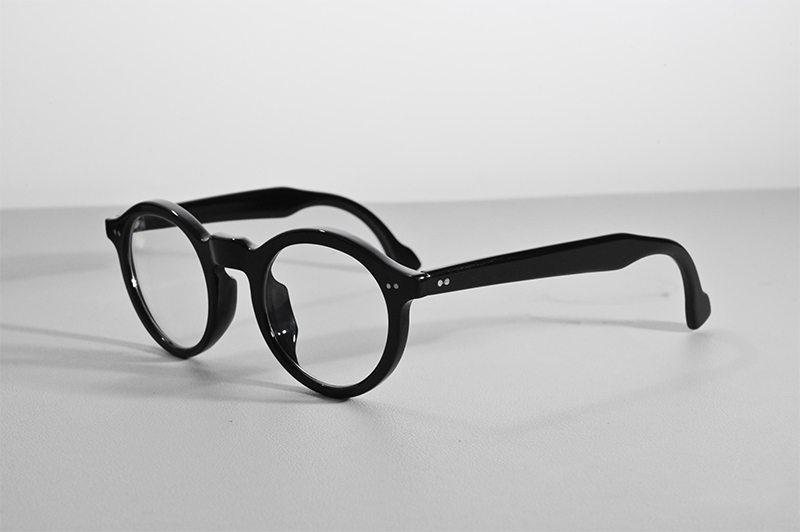
1. Core application: Manufacturing of cellulose acetate sheets
Acetate cellulose board (commonly known as "acetate board" or "celluloid board", commonly used in eyeglass frames, decorative materials, electronic product casings, etc.) is mainly made through the following processes:
Raw material mixing: Mix cellulose acetate powder with plasticizers (such as phthalates), dyes, stabilizers, etc.
Plasticization molding: The mixture is plasticized under heating and pressure, and the sheet is formed through extrusion or rolling processes.
Cooling and shaping: The board is processed into finished products after cooling and cutting.
The function of cellulose acetate powder:
Matrix material: As a polymer skeleton, it provides the structural strength and basic form of the board.
Transparency and Gloss: High purity cellulose acetate can be used to make highly transparent and glossy boards, meeting the needs of high-end eyeglass frames and decorative items.
Easy to dye: The powder is easy to mix evenly with the dye, achieving rich color effects.
2. Key influencing factors of product performance
Substitution degree (DS value): The degree of acetylation of cellulose acetate affects the solubility, flexibility, and water resistance of the board. The commonly used DS value in the industry is about 2.5, which balances strength and processability.
Molecular weight and viscosity: determine the mechanical strength (such as impact resistance) and processing flowability of the board.
Purity and impurities: affect the transparency, aging resistance, and color stability of the board.
3. Industry advantages and characteristics
Environmental attributes: Cellulose acetate is derived from natural wood pulp and is biodegradable, in line with the trend of green materials (compared to petroleum based plastics).
Processing friendly: Easy to thermoplastic process, suitable for complex shapes such as bent eyeglass legs.
Comfort and safety: The board is non-toxic, hypoallergenic, skin friendly, and widely used in fields such as glasses and toys.
Aesthetics: Special visual effects can be achieved by adding pearl powder, etc., to enhance the added value of the product.
4. Main application areas
Eyewear manufacturing industry: accounting for over 70% of the demand for acetic acid sheets, used for high-end optical frames and sunglasses.
Decoration and design: furniture veneers, handicrafts, jewelry display racks, etc.
Industrial and consumer goods: tool handles, electronic product casings (such as phone cases), stationery, etc.
Special purposes: movie props, model making, etc.
5. Industrial chain collaboration
The supply stability of cellulose acetate powder directly affects the board industry:
Upstream: Relying on wood pulp and acetic acid raw materials, it is necessary to ensure the sustainability of raw materials.
Downstream: Collaborate with eyewear and consumer goods brands to promote customized material research and development (such as lightweighting and elasticity improvement).
Cellulose diacetate powder is the cornerstone material of the acetate sheet industry, and its performance directly determines the texture, durability, and market competitiveness of end products. With the tightening of environmental regulations and the upgrading of consumption, the demand for high-performance and biodegradable cellulose acetate sheets continues to grow, promoting the development of upstream powder technology towards high purity and functionalization.
Latest News
-
Application of cellulose acetate sheet in the eyewear industry
2026-04-01 -
Privacy Policy
2026-03-12 -
Application of cellulose diacetate powder in the acetic acid sheet industry
2025-12-11 -
Application of cellulose acetate flakes for plastic industry
2025-12-01 -
Application of Spinning Cellulose Diacetate Flakes in Cigarette Filter Tow
2025-11-28 -
Application of spinning vinegar flakes in the manufacturing of textile filament bundles
2025-11-27
Related Information
-
Quality Inspection Report on Industrial Diacetate Cellulose White Powder
2026-04-07 -
Physical and Chemical Properties of White Powder of Cellulose Diacetate
2026-04-03 -
What is diacetate flake?
2026-01-26 -
The difference in application between cellulose diacetate and cellulose triacetate
2026-01-20 -
Main manufacturers and production capacity of cellulose acetate flakes in China
2026-01-10 -
Technical Requirements for Cellulose Acetate Used in Cigarette Factories
2026-01-08
Message
We won't track your information when you visit our site. But in order to comply with your preferences, we'll have to use just one tiny cookie so that you're not asked to make this choice again.