


News Center
Focus on new trends in enterprise development and record every step forward.
Introduction to the cellulose diacetate flake industry chain
The cellulose diacetate flake(CDA) industry chain mainly covers the complete chain from upstream raw materials to downstream applications. Below is a detailed analysis of the industrial chain structure:
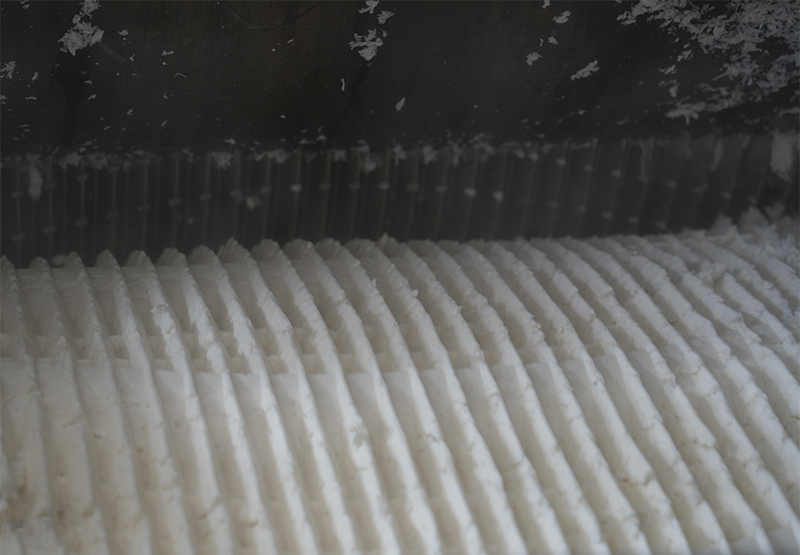
ONE、 Upstream link: raw material supply
1. Source of raw materials
Cellulose raw materials: natural cellulose such as cotton short fibers and wood pulp (coniferous pulp, broad-leaved pulp).
2. Chemical raw materials
Acetic Anhydride: a key esterification agent used to convert cellulose into cellulose diacetate.
Acetic acid: reaction solvent and by-product recycling raw material.
Catalyst: sulfuric acid or other acidic catalytic systems.
TWO、 Midstream link: Manufacturing of cellulose diacetate
1. Main process flow
Cellulose → Acetation → Hydrolysis → Washing → Flapping → Drying → Packaging
(Obtaining cellulose acetate flakes with different degrees of acetic acid substitution by controlling the degree of acetylation)
2. Main product forms
Cellulose diacetate flakes
Cellulose Diacetate Powder
Cellulose Diacetate Solution
THREE、 Downstream link: Application field
1. Smoke filter rod
Cellulose acetate tow is the main raw material for filters.
Approximately 80% of the global consumption of cellulose acetate.
2. Textile and fiber applications
Diacetate fiber silk can be spun into acetate fiber cloth, which is used for high-end clothing, lining, and home textiles.
Features: High glossiness, silky feel, moisture absorption and breathability.
3. Plastic and film materials
Used as a thermoplastic substrate, optical film, and coating material.
Applied to eyeglass lenses, LCD display films, packaging films, etc.
4. Other applications
Ink, coatings, adhesives, medical materials (dialysis membranes, drug carriers), etc.
Latest News
-
What is cellulose acetate material
2026-04-11 -
Filtration Principles and Main Types of Cellulose Acetate Cigarette Filters
2026-04-08 -
Quality Inspection Report on Industrial Diacetate Cellulose White Powder
2026-04-07 -
Physical and Chemical Properties of White Powder of Cellulose Diacetate
2026-04-03 -
Acetate cellulose sheet raw material industrial use Acetate cellulose powder
2026-04-02 -
Which specification of cellulose acetate is better for leather
2026-03-10
Related Information
-
What is cellulose acetate material
2026-04-11 -
Filtration Principles and Main Types of Cellulose Acetate Cigarette Filters
2026-04-08 -
Quality Inspection Report on Industrial Diacetate Cellulose White Powder
2026-04-07 -
Physical and Chemical Properties of White Powder of Cellulose Diacetate
2026-04-03 -
Acetate cellulose sheet raw material industrial use Acetate cellulose powder
2026-04-02 -
Application of cellulose acetate sheet in the eyewear industry
2026-04-01
Message
We won't track your information when you visit our site. But in order to comply with your preferences, we'll have to use just one tiny cookie so that you're not asked to make this choice again.